Wondering if slowing down on your daily walk is worth it? The mindful walking benefits with the best evidence are lower stress and a better mood, and you can start with just ten minutes.
This guide is part of our series on mindful walking, and it looks at what the research does and does not show.
| Item | Value |
|---|---|
| Trial length in the German distress study | 4 weeks |
| Group sessions in that trial | 8 sessions of 60 minutes |
| Suggested starter practice | 10 minutes daily for at least a week |
| Thai depression study routine | 20-30 minutes, 2-3 times a week for 12 weeks |
| Adult weekly activity guidance | 150-300 minutes of moderate-intensity activity |
These figures come from the Greater Good Science Center practice page and the WHO Europe physical activity fact sheet. They can change, so check the sources before you rely on them.
What mindful walking actually is
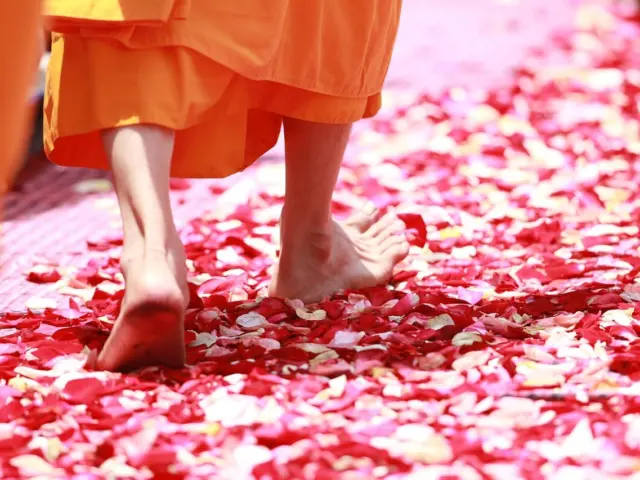
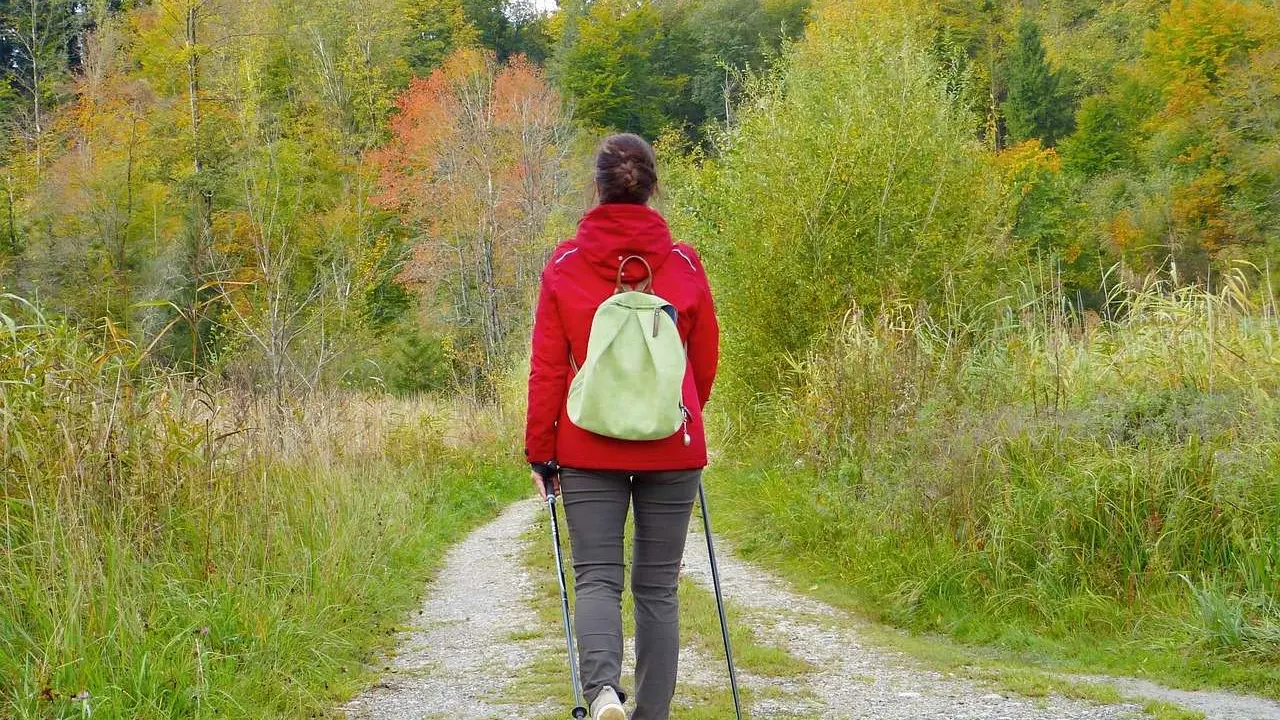
Mindful walking means walking while you keep your attention on the experience itself: your feet, your breath, the air, the sounds around you. It has no required speed and can also provide exercise, depending on intensity. The aim is to notice, not to arrive.
The Greater Good Science Center says that you can move at any speed, though in Kabat-Zinn’s Mindfulness-Based Stress Reduction (MBSR) program this meditation is slow and involves small movements. A slower, formal version is covered in our guide to walking meditation.
Stress and quality of life: the strongest evidence
The best-known study is a randomized controlled trial of mindful walking in psychologically distressed people. Across four weeks, German adults with moderate to severe psychological distress attended eight 60-minute group sessions of mindful walking training.
Compared to a group who did not participate, they experienced significant reductions in psychological stress symptoms and improvements in quality of life, according to the Greater Good Science Center summary. That is encouraging, but it is one trial, and the comparison group received no study intervention.
The trial suggests that this mindful walking program improved outcomes compared with receiving no study intervention. It does not tell you it beats an ordinary walk or another relaxation method.
Mood and positive emotion
The same page notes that research suggests it can not only reduce stress but also increase our experience of positive emotions. A few smaller studies point the same way.
- Brazilian students: undergraduates who did walking meditation for 200 meters showed heightened positive emotion and enhanced emotional response compared with those who walked normally, as measured by brain activity.
- Thai older adults with depression: those who practiced 20-30 minutes of walking meditation two to three times a week for 12 weeks improved in depressive symptoms and cardiovascular health compared with people who walked normally for the same time.
- Penn State students: students reported being less stressed while on their feet and moving, and they got an even greater benefit when they were also more mindful.
These are small studies in specific groups. Treat them as promising hints rather than guarantees.
Is mindful walking also good exercise?
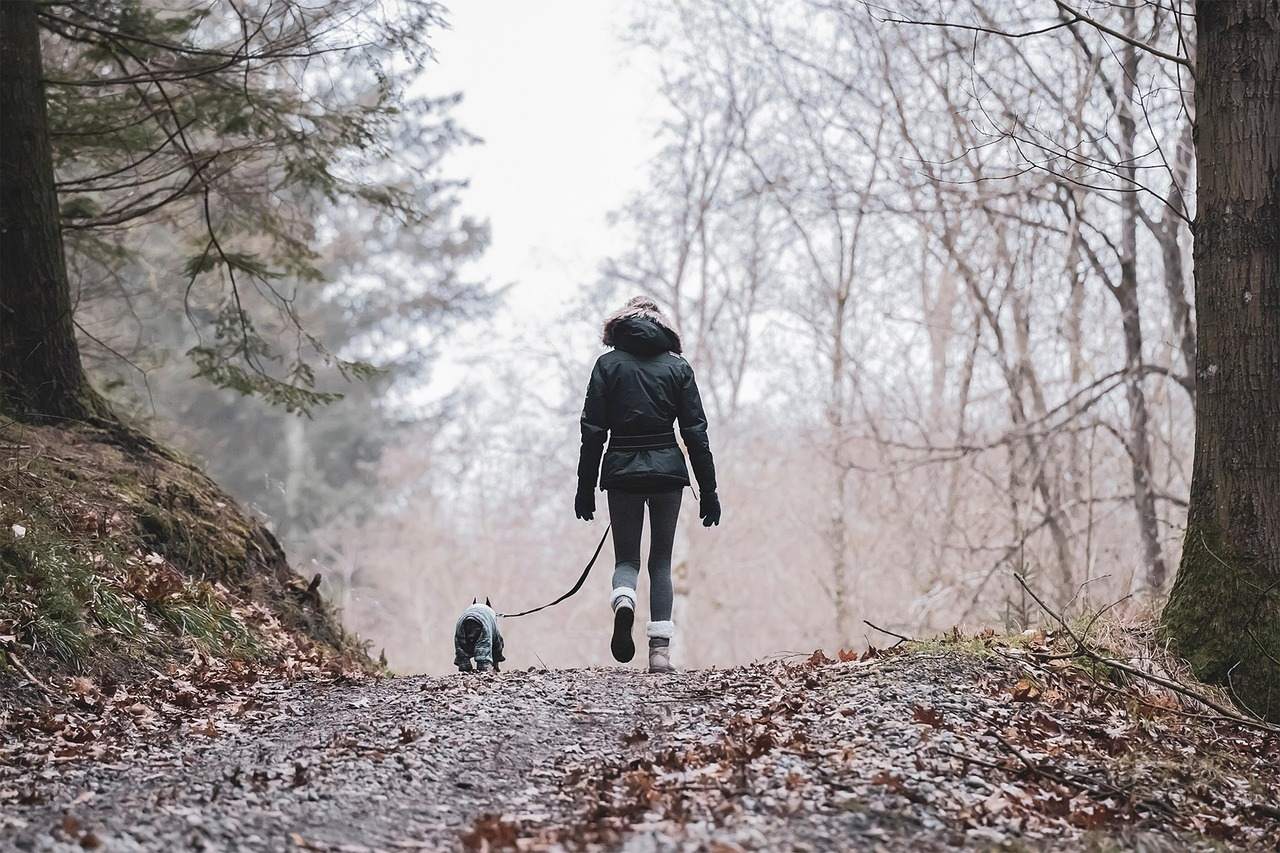
Walking itself has well-established benefits. The WHO Europe fact sheet says physical activity includes active travel such as cycling and walking, and that among adults it contributes to the prevention and control of noncommunicable diseases such as cardiovascular diseases, cancer and diabetes.
The WHO advises adults to do at least 150-300 minutes of moderate-intensity aerobic activity a week for substantial health benefits. A very slow mindful stroll may not reach moderate intensity, so think of it as a complement to brisker walking, not a replacement.
If you do not enjoy exercise, the Penn State researchers suggest that mindful movement may be especially beneficial for people who would prefer a less intense form of physical activity.
Why paying attention may help
The Greater Good Science Center explains that walking meditation can help increase awareness both of our internal sensations and our external surroundings. Much of our time is spent rushing from place to place, so preoccupied with the next task that we do not notice what we are doing now.
Mindful walking interrupts that autopilot. Instead of planning your day or replaying a conversation, you give your attention to something simple and physical, which many people find calming.
The Greater Good Science Center adds that heightening awareness of mental and physical states can help us gain a greater sense of control over our thoughts, feelings, and actions. In its words, that allows us to respond in more constructive ways when we experience negative thoughts or emotions.
It also notes that, with practice, an everyday action you do automatically, even mindlessly, can become an opportunity for greater focus and awareness. Over time you can try to bring the same awareness to other mundane activities, such as washing dishes or waiting in line.
This is a plausible explanation rather than a proven mechanism. The studies above measured outcomes such as stress scores and mood, not exactly why the practice works.
Who might benefit most, and the limits
Mindful walking suits people who find sitting meditation hard. Moving gives the body something to do while the mind settles, and there is no need to hold a posture.
- Busy people can fold it into a commute, a lunch break or the walk from the car.
- People who dislike exercise can treat it as gentle movement rather than training.
- Restless meditators may find it easier to stay present while walking than while sitting still.
- Anyone feeling frazzled can use it as a short reset between tasks.
If walking is difficult for you because of pain, balance or a health condition, check with a health professional first. You can adapt the same attention practice to a slower pace or a seated version.
How to get started
You do not need special gear or a special place. The Greater Good Science Center suggests a short daily habit, and notes that research suggests mindfulness increases the more you practice it.
- Pick a route you can walk for about ten minutes, indoors or out.
- Start by feeling your feet make contact with the ground.
- Notice your breath, then the sounds and sights around you.
- When your mind wanders, gently return to your feet without scolding yourself.
- Repeat daily for at least a week, then see how you feel.
For more structured routines, see our collection of mindful walking exercises.
Making it a habit
Tie your walk to something you already do, such as the first coffee of the day or the walk to the bus.
Expect your mind to wander; that is normal, and noticing it is part of the practice. Each time you return to your feet you are doing the exercise, not failing at it.
After a week, ask yourself simple questions. Do you feel calmer afterwards, do you notice more around you, and does the walk feel easier to begin? Your own answers matter more than any study.
Limits to keep in mind
Mindful walking is not a treatment for clinical depression or anxiety. If your distress is severe or lasting, talk with a doctor or qualified mental health professional.
The research is also still modest in size. Many studies are small, use self-reports, or compare against no activity, so claims of dramatic results deserve caution.
Frequently asked questions
How long should a mindful walk last?
Show answer
The Greater Good Science Center suggests 10 minutes daily for at least a week as a starting point. You can lengthen it as it becomes comfortable.
Does mindful walking reduce stress?
Show answer
In a German randomized trial, adults with moderate to severe psychological distress had significant reductions in stress symptoms after eight sessions over four weeks, compared with a group that did not participate.
Does it count toward weekly exercise?
Show answer
Only if the pace is brisk enough to be moderate intensity. The WHO Europe fact sheet suggests adults do at least 150-300 minutes of moderate-intensity activity a week.
Do I have to walk slowly?
Show answer
No. You can move at any speed, although formal MBSR walking meditation is slow and uses small movements.