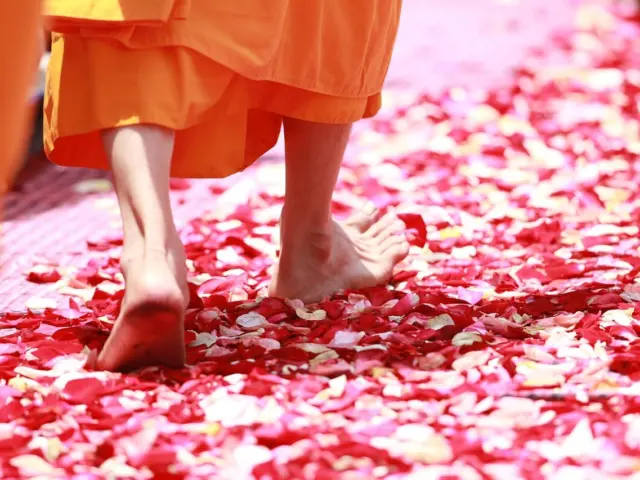
Can’t decide between walking meditation vs sitting meditation? Neither is better for everyone: sitting favours steady concentration, walking suits restless minds and bodies, and many people happily use both.
This guide sits within the wider topic of mindful walking, and it compares the two styles side by side.
| Item | Value |
|---|---|
| Suggested walking path length | 10-30 paces |
| Walking anchor for attention | Sensations in the feet and legs |
| NCCIH-supported 2018 analysis | 142 groups of participants, more than 12,000 people |
Figures come from University of Illinois Extension walking meditation instructions and NCCIH. Guidance and research findings can change, so check the sources before you rely on them.
What the two styles have in common
Both practices train the same skill: noticing where your attention is, and gently bringing it back. The difference is the object you return to. In sitting, that is often the breath; in walking, it is usually the physical act of stepping.
Neither style asks you to empty your mind. Wandering thoughts are expected, and each time you notice one, you have practised.
How each style works in practice
Walking meditation
A walking session needs very little space. The University of Illinois Extension instructions suggest choosing an indoor or outside path about 10-30 paces long. You walk it, turn, and walk back.
The same guide says to start at a slower pace than usual and pay attention to the sensations in your feet and legs. For walking practice, it says this play of sensations, rather than the breath or another anchor, is often the home base for attention.
- Stand still and sense the weight of your body at your feet.
- Begin walking slower than usual.
- Notice lifting, moving and placing each foot.
- When your mind wanders, note it and return to the feet.
- At the end of the path, pause, turn and continue.
If coordinating the breath with your steps helps you feel more collected, the same guide says that is fine.
Sitting meditation
Sitting practice removes movement so that the breath and the body’s subtle signals stand out more clearly. You choose a stable posture on a chair or cushion, settle your attention on the breath, and return whenever you drift.
Because there is little else going on, many people find sitting the more direct way to see how busy the mind is. That can be rewarding, and it can also feel uncomfortable at first.
Much of the research on mindfulness covers seated, program-based practice. NCCIH describes a 2018 analysis of 142 groups of participants with diagnosed psychiatric disorders. For treating anxiety and depression, it found mindfulness-based approaches were better than no treatment and worked as well as established therapies.
That finding is about mindfulness programmes in general, not a head-to-head contest between walking and sitting. NCCIH also says mindfulness meditation practices may help reduce insomnia and improve sleep quality.
Walking vs sitting: a side-by-side comparison
| Question | Walking | Sitting |
|---|---|---|
| Main anchor | Sensations of stepping | Breath |
| Space needed | A short path | A chair or cushion |
| Restless days | Movement gives energy somewhere to go | Stillness can feel hard |
| Sleepiness | Less likely to doze | More likely to doze |
| Where you can do it | Indoors, outdoors, between tasks | Anywhere you can be still |
The walking column draws on University of Illinois Extension; the rest reflects common teaching experience rather than controlled trials. No research cited here ranks one style above the other, and guidance can change, so check the source and treat the table as a practical guide.
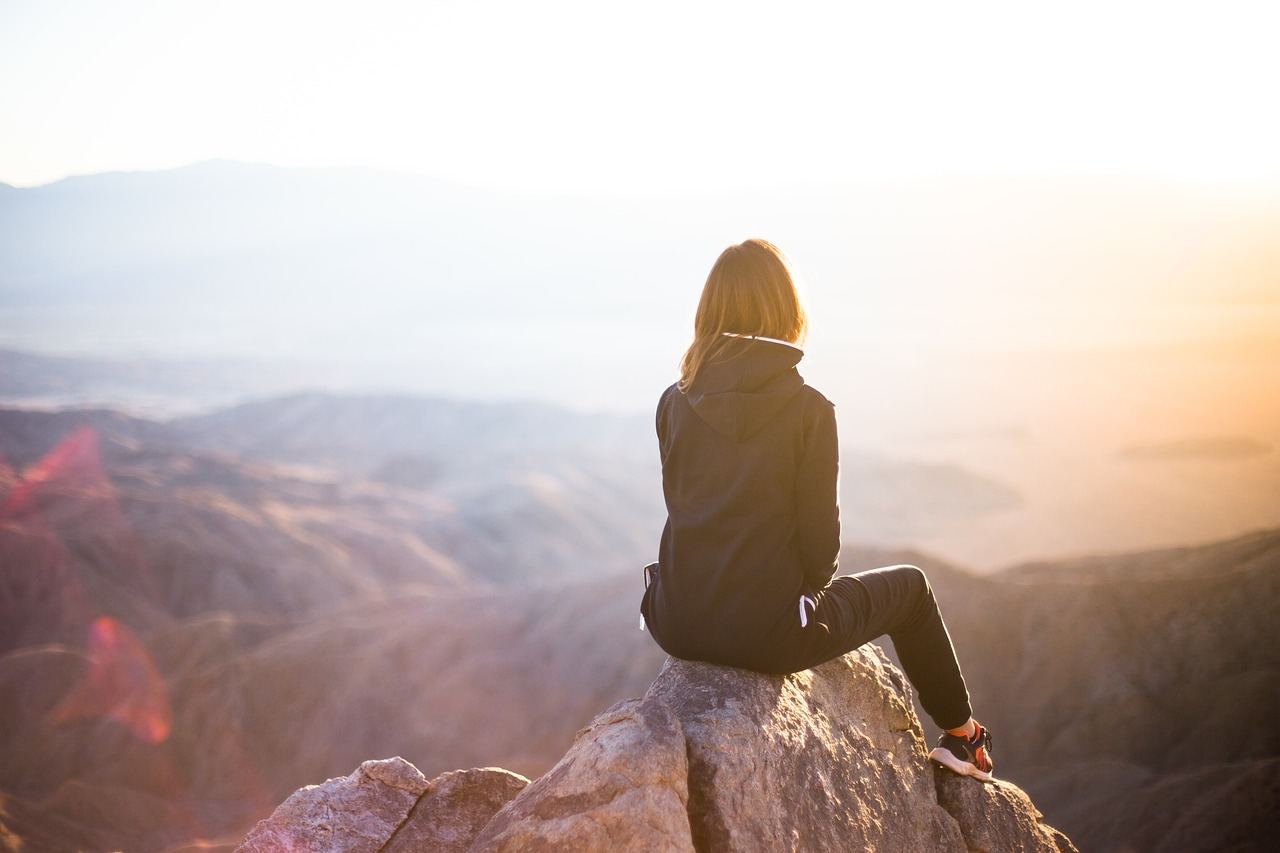
Which style suits which situation?
Choose by your circumstances, not by which one sounds more serious. Some pointers:
- Restless or anxious energy: walking gives the body a job while the mind settles.
- Feeling drowsy: walking may help you feel more alert; sitting may send you to sleep.
- Wanting to study the breath: sitting makes it easier to follow.
- Limited mobility or pain on standing: sitting is usually the more comfortable choice, and a supported seated practice may reduce balance demands.
- Short, scattered days: a few minutes of walking fits more easily between tasks.
You can try walking in a garden or park too; see this guide tomindful walking in nature. If your day is desk-bound, these ideas formindful walking at work may help.
Common obstacles in each style
Each style has its own typical difficulties, and knowing them in advance makes them easier to meet kindly. None of them means you are doing it wrong.
In walking meditation
- Feeling self-conscious: slow walking can look odd to others. Choosing a private indoor space may reduce that worry.
- Drifting into a normal stroll: if you catch yourself planning or chatting internally, simply return to the feet.
- Losing balance at very slow speeds: speed up a little. The aim is awareness, not difficulty.
In sitting meditation
- Restlessness or aching: adjust your posture gently, or switch to a few minutes of walking.
- Sleepiness: open your eyes, sit a little more upright, or try walking first.
- Boredom or self-criticism: treat these as ordinary experiences to notice rather than problems to fix.
Notice that the remedy for many sitting problems is a little movement, and the remedy for many walking problems is a little stillness. That is a good argument for keeping both in your toolkit.
A simple way to start this week
Give each style a fair trial rather than judging it from one session. Try short, regular sessions to explore each style.
- Pick a quiet spot and a short path of 10-30 paces.
- Walk slowly for a few minutes, feeling your feet.
- Sit down and rest your attention on the breath for a few minutes more.
- Afterwards, jot down which part felt easier and which felt more useful.
- Repeat on several days, then lean toward whichever you look forward to.
Your preference may change with the season, your energy, or the kind of day you have had. You can adapt your practice as your preferences change.
If you have a medical condition, a history of trauma, or pain that makes standing hard, take advice from a qualified professional before changing a practice. This site is educational only and does not offer consulting.
Using both together
The two styles are not rivals. Kripalu describes walking meditation as a great lead-in to sitting meditation, and says you can move into sitting with greater focus and less chatter in the mind.
The same Kripalu guide divides a walking practice into three segments of about eight to 10 minutes each, slowing the pace in each segment. That is one teacher’s approach, not a rule, and you can shorten it.
A simple pattern is to walk slowly first, then sit for a few minutes. If it feels forced, drop back to whichever style you enjoy more.
Frequently asked questions
Is walking meditation as effective as sitting meditation?
Show answer
No research cited here ranks one above the other. Much of the evidence covers mindfulness programmes broadly, so pick the style you will actually keep doing.
Do I need to walk very slowly?
Show answer
Not necessarily. The University of Illinois Extension guide says you can alter your pace, seeking a speed that lets you be most mindful. Kripalu uses a very slow pace, which it says helps concentration.
Should I follow my breath while walking?
Show answer
You can, but it is optional. The Illinois guide says the sensations of walking are often the home base, and that coordinating breath with steps is fine if it helps.
Can I do walking meditation outdoors?
Show answer
Yes. Kripalu’s guidelines suggest practising indoors to avoid getting distracted by your surroundings, so a quiet indoor space is a sensible place to begin before you move outside.